
The Revival of Traditional Arts in a Modern World: Why Heritage Still Matters
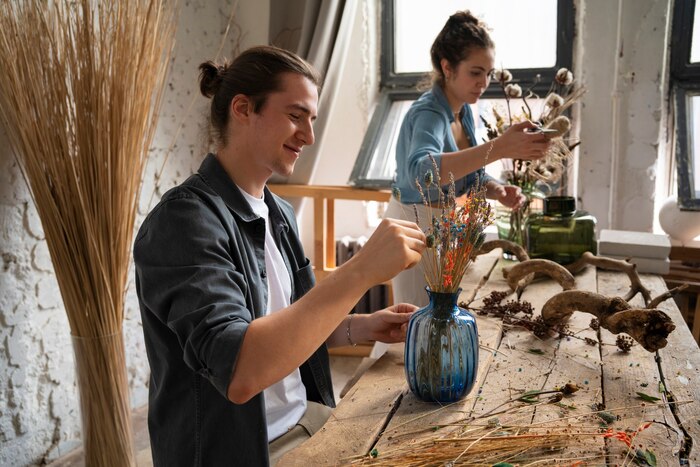
While technology is transforming the art world, 2025 is also witnessing a revival of traditional arts and crafts. People are realizing the importance of preserving cultural identity in a rapidly modernizing society.
Handmade crafts, folk music, classical dance, and indigenous art forms are gaining new appreciation. Governments, NGOs, and private organizations are supporting artisans through digital platforms where they can showcase and sell their work globally.
Young artists are blending old and new—using traditional techniques but adding modern themes, making heritage art relevant for today’s audiences. For example, textile designers are reviving ancient weaving methods while incorporating sustainable fabrics.
Tourism and cultural festivals are playing a huge role too. Travelers are increasingly seeking authentic cultural experiences such as local art workshops, heritage tours, and traditional performances.
Education is another key factor. Schools and universities are incorporating cultural studies and arts programs to ensure that younger generations understand the value of heritage.
This revival proves that traditional arts are not outdated—they are timeless expressions of identity. In 2025, heritage is not just being preserved; it’s being reimagined for the future.
